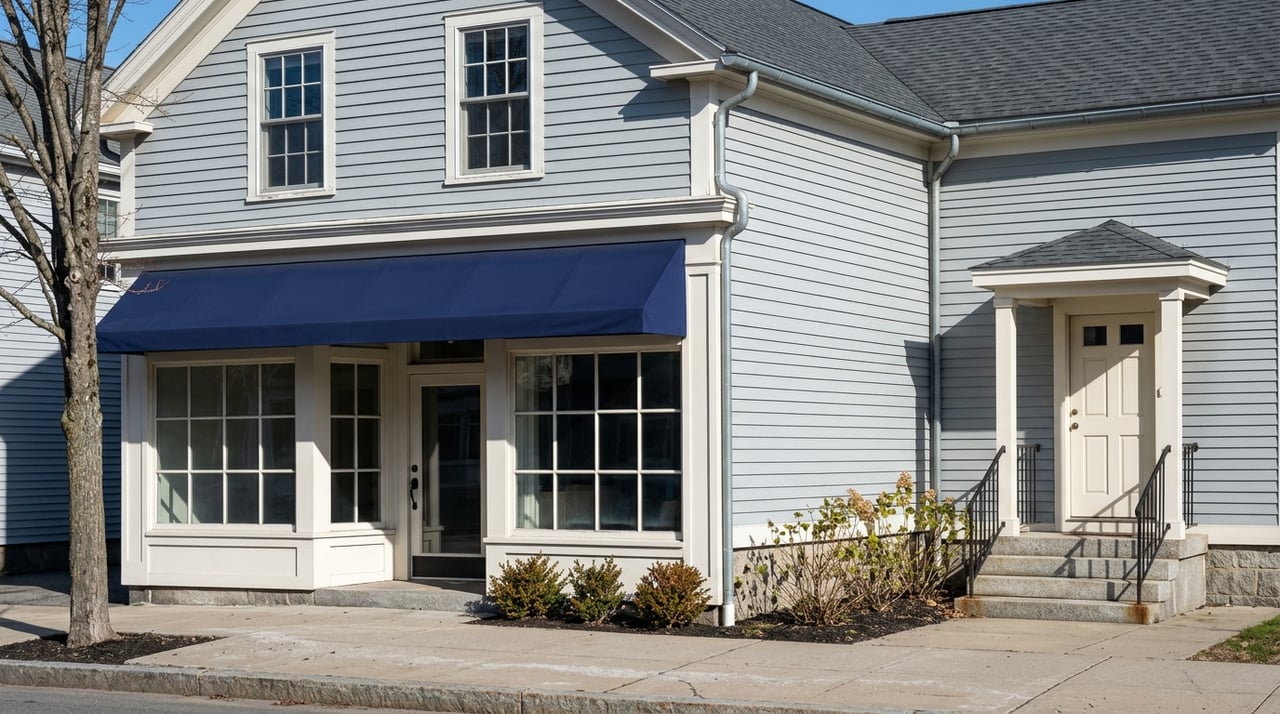
If you are looking at small commercial or mixed-use property in Brewer, you are probably trying to balance opportunity with risk. You want a property that fits your goals today, but also has room to grow as the market shifts. The good news is that Brewer offers a mix of local demand, cross-river traffic, and flexible property types that can make the right purchase very compelling. This guide walks you through what matters most before you buy. Let’s dive in.
Why Brewer Stands Out
Brewer is a smaller market, but it benefits from its close connection to Bangor. The city sits across the Penobscot River and is linked by three bridges, including the Veterans Memorial Bridge as part of I-395, which connects to I-95. According to U.S. Census QuickFacts, Brewer had an estimated population of 9,629 in 2024, while Bangor reached 32,446 and Penobscot County totaled 156,840.
That location matters when you are evaluating a commercial property. Brewer functions as its own local market, but it also benefits from commuters, shoppers, and businesses moving between the two cities. Brewer’s planning materials note that the city can capitalize on its urban location and strong highway access, which helps support business activity.
Brewer Demand Signals
One of the clearest reasons buyers look at Brewer is local shopping behavior. In the 2023 Brewer Retail Consumer Survey, more than 43% of respondents said Brewer was their preferred place to shop, while Bangor was the main competitor at 35%. More than 83% said they shopped in Brewer at least weekly.
That same survey also showed that nearly 80% of respondents did at least half of their shopping in Brewer. More than 54% of Brewer residents or workers said they did 75% or more of their shopping in Brewer. For a buyer, that points to a market with regular local traffic rather than one that depends only on occasional visitors.
The survey also highlights where future opportunity may sit. Respondents wanted more dining variety, broader shopping choices, more live entertainment, and improvements to parking and building conditions in the downtown and waterfront areas. That combination can matter if you are looking at a property with value-add potential.
Property Types You’ll See
Brewer offers several property types that can fit small commercial and mixed-use buyers. The best fit often depends on whether you want walkability, visibility, flexibility, or easier vehicle access.
Common property types in Brewer include:
- Compact downtown or waterfront mixed-use buildings
- Neighborhood storefronts in convenience-business areas
- Older houses or small buildings converted for office-residential use
- Highway-oriented retail sites in general business areas
- Adaptive reuse opportunities in former civic or school buildings
In practical terms, many buyers are looking for a building that can support a storefront, office, or service use on the ground floor, with residential or flexible space above or behind it. While Brewer does not have one dominant live-work district label, its zoning structure does support this kind of mixed arrangement in several settings.
Brewer Zoning Basics
Before you get too far into a property, zoning should be one of your first checks. Brewer’s Land Use Code and planning pages explain where uses may go and how the city regulates height, setbacks, open space, area, density, and related standards.
For small commercial and mixed-use buyers, the most relevant districts usually include:
- Convenience Business for retail and service-oriented uses with some residential combinations
- Downtown Development for retail, entertainment, service, and office uses in a walkable setting, with residential uses limited to upper floors of multi-story buildings
- General Business for larger commercial and highway-oriented uses
- Professional Business for office, professional services, research and development, and supportive retail uses
- Office Residential for lower-intensity office and service uses alongside multifamily housing in transition areas
- Adaptive Reuse for eligible municipal and public school buildings in the Office Residential district through a contract zone agreement
The city’s zoning districts article gives the clearest summary of how these districts are intended to function. If you are considering an older building or a reuse project, this is one of the first documents worth reviewing.
How Brewer Approvals Work
A property can look perfect on paper and still become complicated if the approvals are more involved than expected. Brewer uses a matrix with symbols such as Y, P, S, and blank to show whether a use is allowed without a permit, allowed with a permit, requires site plan approval, or is not permitted. The city explains those symbols on its land use matrix page.
This matters because not every commercial use follows the same path. Some projects move forward with a more straightforward permit process, while others may need planning review, site plan approval, or, in the case of certain adaptive reuse properties, a contract zone agreement.
Brewer planning guidance also notes that nonresidential projects creating 5,000 square feet or more of new gross floor area, or 5,000 square feet or more of new un-vegetated area within a two-year period, trigger site plan review. That review can cover:
- Access and internal circulation
- Pedestrian circulation
- Stormwater and erosion control
- Utilities and lighting
- Waste handling
- Landscaping
- Compatibility with surrounding land uses and natural features
- Impacts on abutters
- Shoreland considerations
- Technical and financial capacity
If you are buying with plans to expand, pave, reconfigure parking, or add square footage, this threshold is especially important.
Best-Fit Uses in Brewer
Brewer’s zoning structure and consumer survey suggest a practical set of uses that may fit well in the market. The city’s code and planning materials point toward a mix of local-serving businesses in walkable districts and larger traffic-driven uses in highway-oriented areas.
Based on those sources, common fits may include:
- Small retail shops
- Restaurants and food service uses
- Personal service businesses
- Professional offices
- Financial institutions
- Child care centers
- Museums
- Salons
- Upper-floor residential units in appropriate districts
The survey also suggests that people want more locally owned restaurants and broader shopping options. That does not guarantee success for any one property, but it does help frame what kinds of uses may align with what residents and workers say they want to see more of.
Downtown and Waterfront Potential
If you are drawn to character properties, Brewer’s downtown, Main Street, and waterfront areas deserve a close look. The city’s retail survey says these areas would benefit from improvement to become more attractive for shopping, dining, and entertainment.
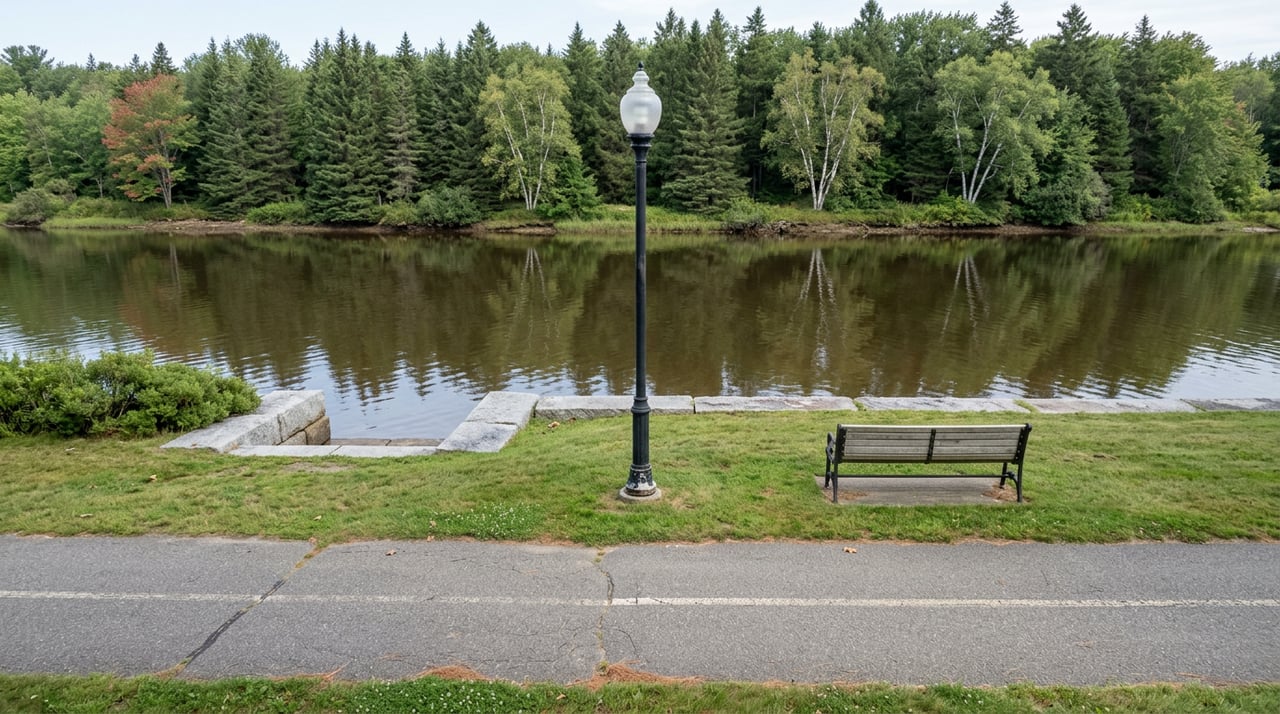
That same opportunity is tied to the Riverwalk and broader business activity. According to the city, the Brewer Riverwalk includes walking paths, event space, a children’s garden, Wi-Fi, and parking, with the first half opening in 2013 and an extension completed in 2022. Increased foot traffic can support the right business model, especially when paired with visible storefronts and updated building conditions.
Still, this is where buyers need to stay disciplined. Older downtown and waterfront properties may offer upside, but they can also bring more complexity around parking, condition, and review requirements.
Key Risks to Evaluate
The strongest Brewer opportunities often come with a few recurring questions. Before you move forward, make sure you understand not just the property’s current use, but also what it would take to operate or improve it as planned.
Focus on these due diligence items:
- Zoning fit: Does your intended use match the district and the city’s schedule of uses?
- Approval path: Will you need a standard permit, site plan review, or a contract zone?
- Parking and access: Are your assumptions realistic for customers, tenants, staff, and deliveries?
- Utilities and layout: Can the building support the way you want to use it?
- Setbacks and height limits: Do expansion or renovation plans fit the code?
- Building condition: Will deferred maintenance affect budget, timeline, or leasing?
- Floodplain or shoreland issues: Is the property in or near an area that adds review steps?
These checks are especially important for older properties and waterfront sites. Brewer’s code includes shoreland zoning protection and floodplain management provisions, so location can affect both feasibility and timing.
Adaptive Reuse Opportunities
Some of Brewer’s more interesting long-term possibilities may be adaptive reuse projects. The city’s Adaptive Reuse District is designed for eligible municipal and public school buildings in the Office Residential district and is intended to support housing, arts, offices, community uses, and similar reuse projects through a contract zone agreement.
If you are considering a former school or municipal building, do not assume the process will mirror a standard commercial purchase. You will want to confirm whether the Adaptive Reuse District is available and whether a contract zone process applies. These properties can be appealing, but they often require more planning upfront.
What a Smart Purchase Looks Like
In Brewer, the most attractive small commercial and mixed-use purchase is usually not the biggest building or the busiest corner. It is the property where zoning, building layout, location, parking, and tenant demand line up in a workable way.
That could mean a downtown building with upper-floor residential potential, a neighborhood storefront with strong local visibility, an office-residential conversion along a major artery, or a small-bay commercial property that serves everyday needs. Brewer appears especially compelling if you want a smaller market with local loyalty and Bangor spillover, rather than a large regional retail trade area.
If you are weighing options in Brewer, the right guidance can help you sort through zoning questions, property fit, and the practical details that shape long-term value. Aimi Baldwin Real Estate offers thoughtful, high-touch support for buyers exploring small commercial and mixed-use opportunities in Greater Bangor, including Brewer.
FAQs
What makes Brewer attractive for small commercial property buyers?
- Brewer combines a local customer base with cross-river access to Bangor, and the city’s retail survey shows strong regular shopping activity within Brewer.
What zoning districts matter most for mixed-use property in Brewer?
- The key districts usually include Convenience Business, Downtown Development, General Business, Professional Business, Office Residential, and Adaptive Reuse, depending on the property and planned use.
What does site plan review mean for a Brewer commercial project?
- In Brewer, certain projects, including nonresidential projects with 5,000 square feet or more of new gross floor area or new un-vegetated area within two years, can trigger site plan review covering access, utilities, stormwater, landscaping, and other factors.
What types of businesses may fit small commercial buildings in Brewer?
- Based on the city’s zoning and planning materials, uses may include retail shops, restaurants, service businesses, professional offices, financial institutions, child care centers, museums, salons, and some residential components in the right districts.
What should you check before buying a mixed-use property in Brewer?
- You should confirm zoning fit, approval requirements, parking, building condition, utility capacity, dimensional standards, and whether floodplain or shoreland rules may affect the property.
What is the Adaptive Reuse District in Brewer?
- It is a zoning pathway for eligible municipal and public school buildings in the Office Residential district, intended to support reuse projects such as housing, arts, offices, and community uses through a contract zone agreement.