If you are getting ready to sell a multi-unit or mixed-use property in Brewer, it is easy to focus on paint colors, photos, and pricing first. But in this market, sale readiness often starts with paperwork, occupancy details, tenant communication, and zoning questions. When you prepare those pieces before your listing goes live, you can reduce surprises, build buyer confidence, and create a smoother path from start to sold. Let’s dive in.
Why Brewer sale prep is different
Brewer is part of the greater Bangor region, and that matters when you market a small apartment building or mixed-use property. Buyers often look at Brewer in relation to Bangor, especially when they are thinking about commuting, visibility for a business, or access across the Penobscot River.
That wider buyer pool can be a real advantage. It also means your property needs a clear story. A buyer may be evaluating rental income, owner-occupancy potential, storefront use, or a mix of all three, so your pre-listing prep should make those details easy to understand.
Start with zoning and occupancy
Before you spend money on cosmetic upgrades, confirm how the property is currently classified and whether each use aligns with Brewer’s Land Use Code and Schedule of Uses. The city states that some uses are allowed outright, some are permitted, and some require planning-board approval.
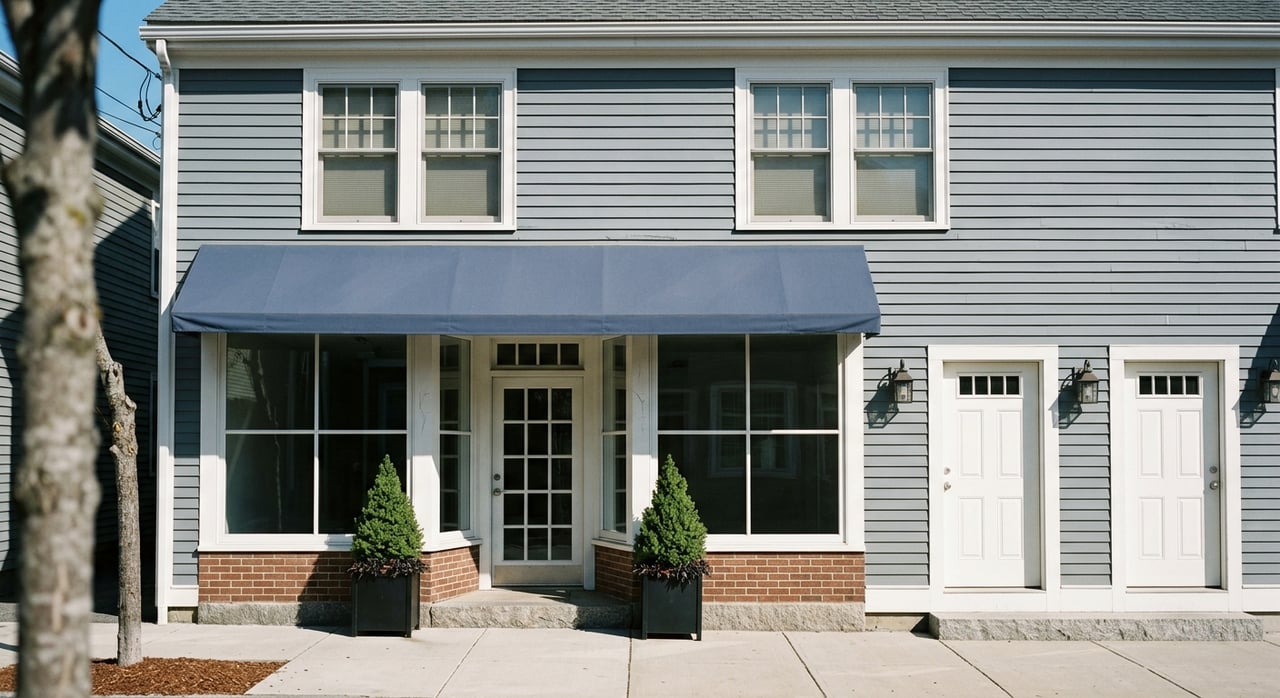
This step is especially important for mixed-use buildings. If your property includes a storefront, office, or other commercial space along with apartments, you want to know early whether the current setup matches city records and current use rules.
Brewer also notes that a Certificate of Occupancy may be required in several situations, including when a unit or building has been vacant for more than one year, when the number of apartments increases, when a new business moves into existing space, when a business expands or relocates, or when there is a change of use.
That means a vacant first-floor commercial space or a recently reconfigured apartment layout should not be treated as a small detail. It can directly affect your timeline, your buyer pool, and how confidently a lender views the property.
What to verify before listing
- Current use of each space
- Whether any prior changes required planning or permit approval
- Whether a Certificate of Occupancy is needed
- Whether signs, build-outs, or layout changes were signed off
- Whether city records match the property as it exists today
Clear up permits before the market sees it
Brewer’s code guidance draws a clear line between simple updates and work that may require permits. Painting, replacing carpet or flooring, and replacing windows or doors with the same size and type in the same location usually do not need a permit.
Other work often does. Structural changes, additions, moved walls, enlarged openings, major renovations, decks, fences, and signs may require review. The city also says permit applications can take up to 30 days to review, which is a strong reason to start early.
If a buyer discovers missing approvals during due diligence, the transaction can slow down quickly. In many cases, it is safer to resolve permit questions before listing rather than expecting a buyer to take on that uncertainty.
Build your disclosure package early
For residential property with one to four dwelling units, Maine requires sellers to disclose a range of known conditions. These include the water supply, heating system, waste disposal system, hazardous materials such as asbestos, lead paint, and radon, flood hazard or flood history, shoreland-zoning legal proceedings, and other known defects.
These disclosures must be made no later than when an offer is received. If they are delivered later, the buyer has a 72-hour right to withdraw after receiving them.
That timing matters. If your building falls within Maine’s residential seller disclosure rules, waiting until the last minute can create avoidable risk right when you want a buyer to feel secure.
Key disclosure items to gather
- Water, heating, and waste system information
- Known asbestos, lead paint, or radon information
- Flood hazard or flood history details
- Shoreland-zoning legal proceedings, if applicable
- Other known material defects
For older multi-unit and mixed-use buildings, lead-related documentation deserves special attention. Maine requires certain pre-tenancy disclosures for rental units, including energy-efficiency information, radon test results, a smoking policy, and lead-paint disclosure. For pre-1978 housing, federal lead rules also require disclosure of known lead-based paint or hazards and available records or reports for common areas and other units in multi-unit properties.
Organize leases and income records
Buyers are not the only ones reviewing your numbers. Lenders often want a clean, consistent picture of rental income and lease terms, especially for investment properties and two- to four-unit properties.
Fannie Mae’s Selling Guide says gross monthly rent must be reported for all investment properties and for two- to four-unit principal residences. If a borrower is using rental income to qualify, lenders may use current lease agreements or market-rent forms, and current lease rents are commonly multiplied by 75 percent when calculating qualifying rental income.
In practical terms, that means your lease file should be complete before showings begin. Missing lease pages, unclear payment histories, or inconsistent rent records can create friction for both buyers and underwriting.
Documents that help buyers and lenders
- Current signed leases for each occupied unit
- A clear rent roll
- Rent payment history
- Security deposit records
- Utility or energy information
- Maintenance and service records
- Permit approvals and sign-offs
- Any lead or radon disclosures already completed
If lease terms are being transferred to a new owner, the lease language may matter to financing as well. Clean, organized records help everyone move faster and ask better questions earlier.
Make habitability and safety the first repair priority
When owners get a property ready for market, cosmetic work can be tempting because it is easy to see in photos. But buyers and inspectors usually care more about safety, function, and condition first.
Maine law says rental housing must be fit and safe for human habitation. Brewer also states that local code enforcement can inspect conditions affecting health and safety and require corrections.
That makes your repair order fairly straightforward. Address anything tied to habitability, deferred maintenance, or code-related issues before you worry about decorative improvements.
Prioritize repairs in this order
- Safety and habitability concerns
- Mechanical or structural issues
- Exterior and entry condition
- Common-area cleanliness and function
- Cosmetic updates that support presentation
A clean, well-maintained building often performs better than a half-renovated one with unresolved documentation or condition questions. Buyers want confidence just as much as they want curb appeal.
Plan around tenants with care
If your property is occupied, your showing plan should be thoughtful, consistent, and well communicated. Maine’s Attorney General says a landlord generally must give reasonable notice before entering a rental unit, and 24 hours is presumed reasonable.
That is why scheduled showing blocks often work better than piecemeal access. Grouping appointments can reduce disruption for tenants and make your process easier to manage.
Clear communication matters just as much as legal notice. Tenants are more likely to cooperate when they know what to expect, how often showings may happen, and how the process will be handled.
A practical showing plan
- Provide written notice for showings
- Use grouped showing windows when possible
- Apply the same process to each occupied unit
- Set expectations early about access and timing
- Keep communication professional and consistent
You should also be clear about whether the property will be delivered vacant or subject to existing leases. Maine guidance notes that if a building is sold during the term of a written lease, the tenant may have the right to remain for the full term, and the new owner must follow the same eviction procedures as the former owner.
Stabilize rent and lease questions before listing
Rent changes are another area where timing matters. For tenants at will in Maine, written notice is required for rent increases, with 75 days required for increases above 10 percent and 45 days for smaller increases.
For tenants with an unexpired lease, rent cannot be increased above the lease amount during the lease term. That means last-minute rent changes can complicate your listing strategy if they are not handled properly.
In many cases, it is better to stabilize the rent picture before your property hits the market. Buyers tend to respond better when lease status, rent amounts, and notice history are already documented and easy to verify.
Position the property for the right buyer
In Brewer, your likely buyer may be local, regional, or coming in with a Bangor-area perspective. Because Brewer sits across the river from Bangor and is part of the Bangor metropolitan area, buyer interest often extends beyond city lines.
That creates an opportunity to market the property with clarity. A small apartment building may appeal to an investor or owner-occupant, while a mixed-use building may also attract a buyer focused on business visibility and residential income.
The strongest listings answer practical questions up front. They show how the property functions now, what documentation supports it, and what a buyer needs to know about occupancy, leases, and use.
Why experienced guidance matters
A multi-unit or mixed-use sale in Brewer is not just about staging and photography. It often involves zoning verification, permit history, occupancy questions, disclosures, tenant coordination, and income documentation.
That is where experienced, commercial-aware guidance can make a meaningful difference. When your agent understands both the local market and the mechanics behind a more complex property type, you can prepare smarter before the listing goes public.
At Aimi Baldwin Real Estate, that preparation is part of the value. You get boutique-level communication, local Greater Bangor market knowledge, and practical support for the details that help a Brewer property show well on paper and in person.
If you are thinking about selling a Brewer multi-unit or mixed-use property, Aimi Baldwin Real Estate can help you prepare, position, and market it with clarity and confidence.
FAQs
What should you do first before listing a Brewer mixed-use property?
- Start by confirming zoning, current use, permit history, and whether a Certificate of Occupancy may be required for any vacant or changed space.
What disclosures may apply to a Brewer multi-unit property with up to four units?
- Maine’s residential seller disclosure law may require disclosure of water, heating, waste disposal, hazardous materials such as asbestos, lead paint and radon, flood hazard or flood history, shoreland-zoning legal proceedings, and other known defects.
How much notice is typically required before entering an occupied rental unit in Maine?
- Maine guidance says reasonable notice is generally required before entry, and 24 hours is presumed reasonable.
Can a buyer inherit existing leases when purchasing a Brewer rental property?
- Yes. Maine guidance says a tenant with a written lease may have the right to remain for the full lease term after a sale, and the new owner must follow the same eviction procedures as the former owner.
What records help a Brewer multi-unit sale go more smoothly?
- The most useful records usually include current leases, a rent roll, rent history, permit approvals, maintenance records, utility or energy information, and completed lead or radon disclosures.