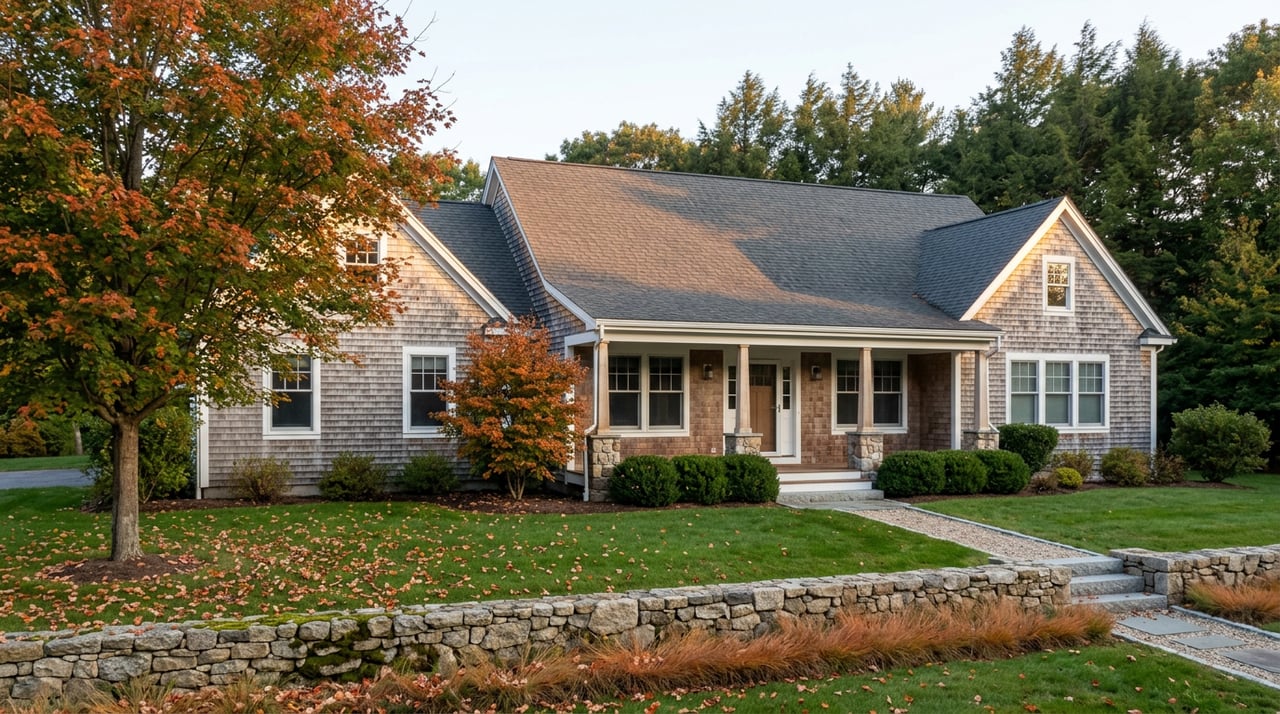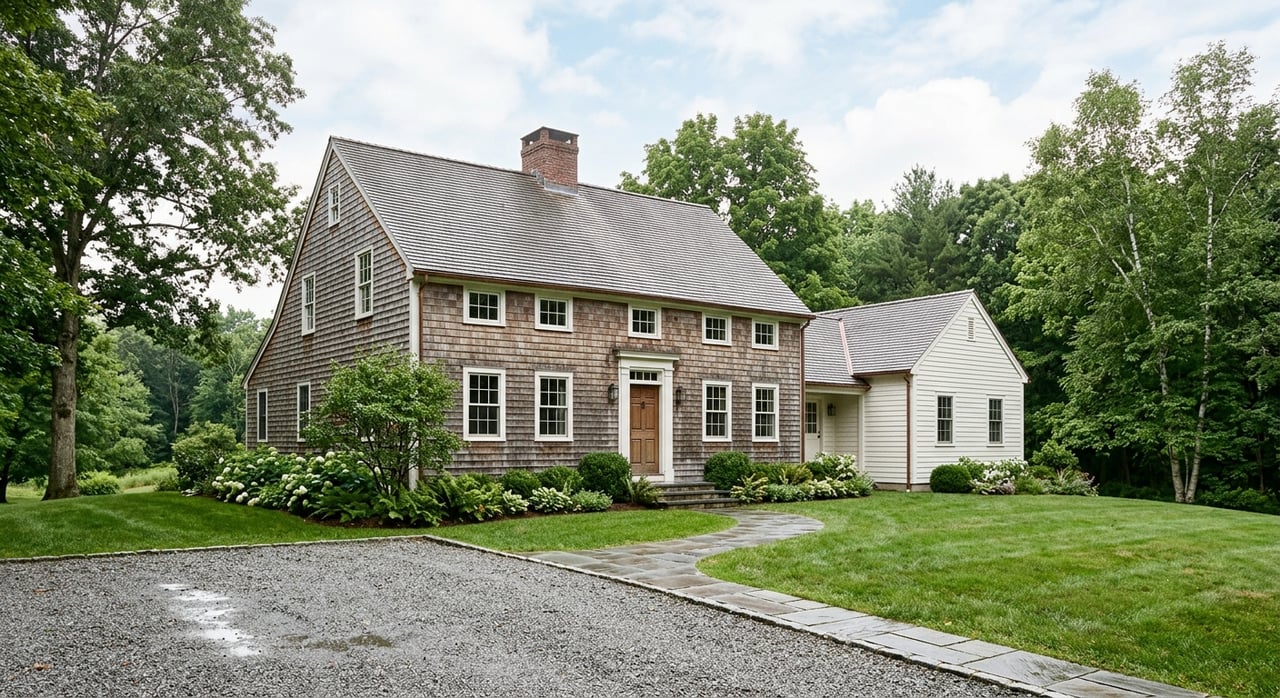
Trying to choose between a brand-new home and an older property in Hampden? It is a common question, and the right answer depends on how you want to live, how much work you want to take on, and what kind of buying process feels best for you. In this guide, you will see how new construction and resale homes compare in Hampden, from code standards and warranties to character, inspections, and local development patterns. Let’s dive in.
How Hampden’s housing options differ
In Hampden, new construction and resale homes often offer two very different ownership experiences. A new build may give you current code compliance, documented design details, and a more process-driven purchase. A resale home may offer established surroundings, older architectural details, and a home that is already complete.
That difference is especially relevant in Hampden because the town has active residential development review, a detailed permit process for new homes, and historic-preservation rules for certain older properties. If you are comparing your options, it helps to look at both the house itself and the path to ownership.
Where new construction is happening in Hampden
Hampden’s Planning Board reviews subdivisions, site plans, and multi-family residential buildings, while single-family construction is generally handled through the town’s code enforcement process. In practical terms, that means some new-home activity appears in larger approved developments, while some happens one lot at a time.
Recent planning materials show residential activity at Arey’s Corner on Kennebec Road, which received Planning Board approval in March 2025, and Wendy’s Place on Carmel Road North, an eight-unit multi-family development in duplex buildings. Earlier town planning materials also described long-term growth clustering in the rural area and along the upper Main Road and Route 1-A corridor.
For you as a buyer, that means new construction in Hampden may show up in both emerging development areas and smaller individual building sites. Inventory can look different from one year to the next, so local guidance matters when you want to understand what is actually available.
Why buyers choose new construction
Many buyers are drawn to new construction because they want a home built to today’s standards, not the standards in place decades ago. In Hampden, construction cannot begin until an approved building permit is issued, and the permit process requires detailed plans and documentation before work starts.
The town’s new-construction checklist calls for floor plans, plot plans, plumbing and wastewater paperwork when applicable, radon acknowledgements, and inspection-related forms. Before final inspection, the town also requires items such as blower-door test results, radon test results, and insulation certification.
Hampden enforces the Maine Uniform Building and Energy Code, and the town lists the 2021 IRC, 2021 IECC, ventilation standards, and radon-control provisions for new low-rise residential buildings. That gives buyers a practical advantage: a new home should be built to current code and energy standards rather than older standards that may apply to a resale property.
New homes often have more documented details
Another benefit of new construction is how much information is laid out upfront. Hampden’s permit packet requires the plan set to describe materials, foundation details, room layouts, insulation values, and other design information.
That can make the buying process feel more transparent. You may be able to review key construction choices in writing rather than discover them over time after move-in.
Energy performance can be a major plus
Energy efficiency is another reason buyers consider new construction. ENERGY STAR says certified new homes are at least 10% more energy efficient than homes built to minimum code levels, with features such as quality-installed insulation, high-performance windows, and a well-sealed envelope.
The U.S. Department of Energy also describes efficient new homes as integrated systems designed for comfort, efficiency, durability, and health benefits. In Hampden, the local checklist’s focus on blower-door testing, radon testing, and insulation certification reinforces how closely new-home construction is tied to measurable performance.
What to know about new-construction timelines and contracts
A new home can feel appealing, but it also tends to involve more moving parts. In Maine, home-construction work over $3,000 must have a written contract, and that contract must include the price, estimated start and end dates, a description of the work and materials, an express warranty of good workmanship, and written change orders for price changes.
That structure can be helpful because it puts major terms in writing. It also means you should expect a more document-heavy process than you might see with a standard resale purchase.
The Maine Attorney General also notes that Maine does not license home contractors. For buyers, that makes references and reputation especially important when evaluating a builder.
Warranties can add peace of mind
Builder warranties are another factor that often makes new construction attractive. The FTC says a builder warranty usually comes with new home construction or a remodel, while a home warranty is a separate service contract that usually applies to existing homes and costs extra.
The FTC also says many new-home warranties cover workmanship and materials for one year, systems coverage is often two years, and some builders offer up to 10 years for major structural defects. Coverage can vary, so it is worth reviewing warranty terms carefully before you commit.
Why buyers choose resale homes in Hampden
Resale homes appeal to buyers who want an established setting, a completed home, or architectural details that may be harder to find in a brand-new build. In Hampden, older properties may also intersect with local preservation rules that reflect the town’s historic character.
The town’s Historic Preservation Commission administers the historic-preservation ordinance, including the Upper Corners Historic District and landmarks such as Harmony Hall and the Thomas Penneman Stetson Homestead. Within the designated historic district, certain construction and renovation work must be found appropriate before a building permit is issued.
For you, that can mean a resale home offers more character and a more established feel, but exterior changes on some properties may involve extra review. If you are drawn to older homes, it is smart to understand whether a property falls within a designated area before planning updates.
Inspections matter more with resale homes
A resale home is already built and lived in, so condition becomes a bigger part of the conversation. The Consumer Financial Protection Bureau recommends getting an independent home inspection as soon as possible and notes that buyers may be able to negotiate repairs or cancel based on inspection findings.
That makes inspections a key step in comparing resale properties. A home may have charm and a great layout, but you still want a clear picture of the roof, systems, structure, and maintenance needs.
Upgrades may be part of the plan
Energy performance can also differ more widely in resale homes. The Department of Energy says an energy audit is the first step to understanding efficiency upgrades in an existing house, and ENERGY STAR says air sealing and insulation can save an average of 15% on heating and cooling costs.
This does not mean every older home needs major work. It does mean resale buyers should be prepared to evaluate comfort, operating costs, and possible future improvements as part of the overall budget.
Comparing new construction and resale at a glance
Here is a simple way to think about the tradeoffs in Hampden:
| Option | Potential Advantages | Potential Tradeoffs |
|---|---|---|
| New construction | Built to current code, stronger energy standards, more documented plans, possible builder warranty | Longer or more complex timeline, more contract detail, builder reputation matters |
| Resale home | Established setting, existing character, home is already finished, wider range of ages and styles | Inspection-driven repairs, possible efficiency upgrades, extra review for some historic properties |
Neither choice is automatically better. The better fit depends on your priorities, timeline, and comfort level with repairs, customization, and process.
A local price context to keep in mind
When you compare homes in Hampden, it helps to anchor your search in local market context. The latest Census estimate lists the median value of owner-occupied housing units in Hampden at $301,300.
That number is not a list-price rule, and it does not tell the whole story for any specific home. Still, it can serve as a useful local benchmark as you weigh a newly built property against an older home with different features, condition, and upgrade needs.
How to decide which option fits you best
If you value current code compliance, energy-conscious construction, and a home with systems and materials that are new from day one, new construction may be the stronger match. You may also appreciate the structure of written contracts, documented plans, and builder warranty coverage.
If you value a home that is already complete, want an established setting, or love older details and long-standing streetscapes, a resale home may make more sense. You just want to go in with a clear inspection strategy and a realistic plan for maintenance or future updates.
In Hampden, this choice is not only about style. It is also about process, timing, and how much certainty you want before you move in.
A thoughtful side-by-side comparison can save you time, money, and stress. If you are weighing new construction versus resale in Hampden, the team at Aimi Baldwin Real Estate can help you evaluate your options with clear guidance and local perspective.
FAQs
What is the main difference between new construction and resale homes in Hampden?
- New construction in Hampden is typically built to current code and energy standards with a more documentation-heavy process, while resale homes often offer established settings and character but may require more inspection-based evaluation and future updates.
Where is new residential development happening in Hampden?
- Recent planning materials show activity at Arey’s Corner on Kennebec Road and Wendy’s Place on Carmel Road North, and earlier town planning documents described growth in rural areas and along the upper Main Road and Route 1-A corridor.
What permits and reviews affect new homes in Hampden?
- New residential construction in Hampden must receive permit approval before work begins, and the town requires plan details, testing documentation, and inspection-related forms as part of the process.
Do new homes in Maine come with warranties?
- Many do. FTC guidance says builder warranties often cover workmanship and materials for one year, systems for about two years, and sometimes major structural defects for up to 10 years, depending on the builder and warranty terms.
What should buyers check when purchasing a resale home in Hampden?
- Buyers should schedule an independent home inspection promptly and review the home’s condition, likely repairs, and possible efficiency upgrades as part of the purchase decision.
Are there historic district rules for some resale properties in Hampden?
- Yes. Hampden’s Historic Preservation Commission oversees designated historic areas and landmarks, and certain construction or renovation work within the historic district must be found appropriate before a building permit is issued.