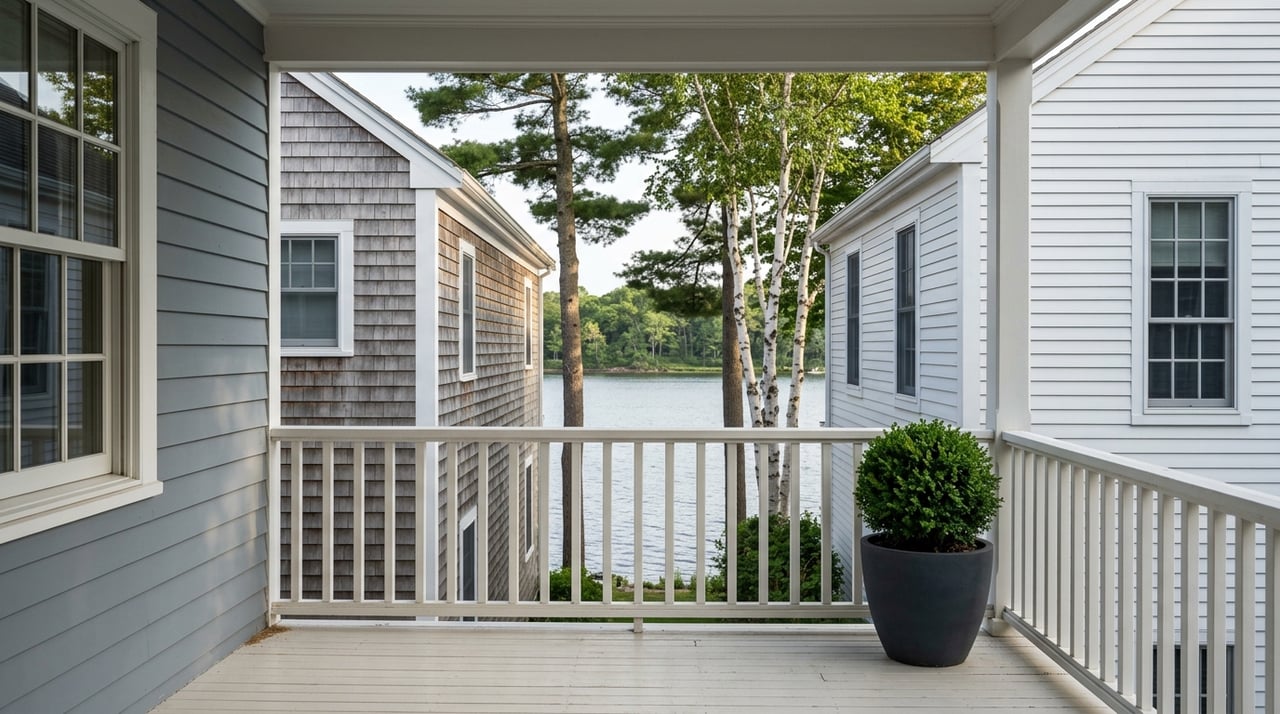
Looking for a home where you can walk to the river, grab dinner downtown, and still feel connected to the heart of Bangor? Living near Bangor’s waterfront and downtown can offer exactly that, but it also comes with a few practical details worth understanding before you buy. If you are considering this part of the city, this guide will help you get a clearer picture of the lifestyle, housing mix, and key tradeoffs so you can decide what fits you best. Let’s dive in.
Why buyers consider this area
Bangor’s downtown and Penobscot River waterfront make up the city’s densest developed area, according to the city’s planning materials. Public input in Bangor’s 2022 Comprehensive Plan also showed support for mixed-use and multi-family downtown neighborhoods because of their walkability and energy.
For many buyers, that translates into a lifestyle built around convenience and activity. You may be able to walk to restaurants, local events, transit, and the riverfront instead of needing to drive for every errand or outing.
What day-to-day life feels like
The waterfront is more than a scenic edge along the Penobscot River. The City of Bangor describes it as a place with a river walk, picnic tables, benches, open space, seasonal food trucks, and Maine Savings Amphitheater, which draws hundreds of thousands of visitors each year.
That steady activity shapes daily life nearby. Depending on the block, you might enjoy easy access to concerts, waterfront walks, and weekend events, while also noticing more traffic and parking demand during busy times.
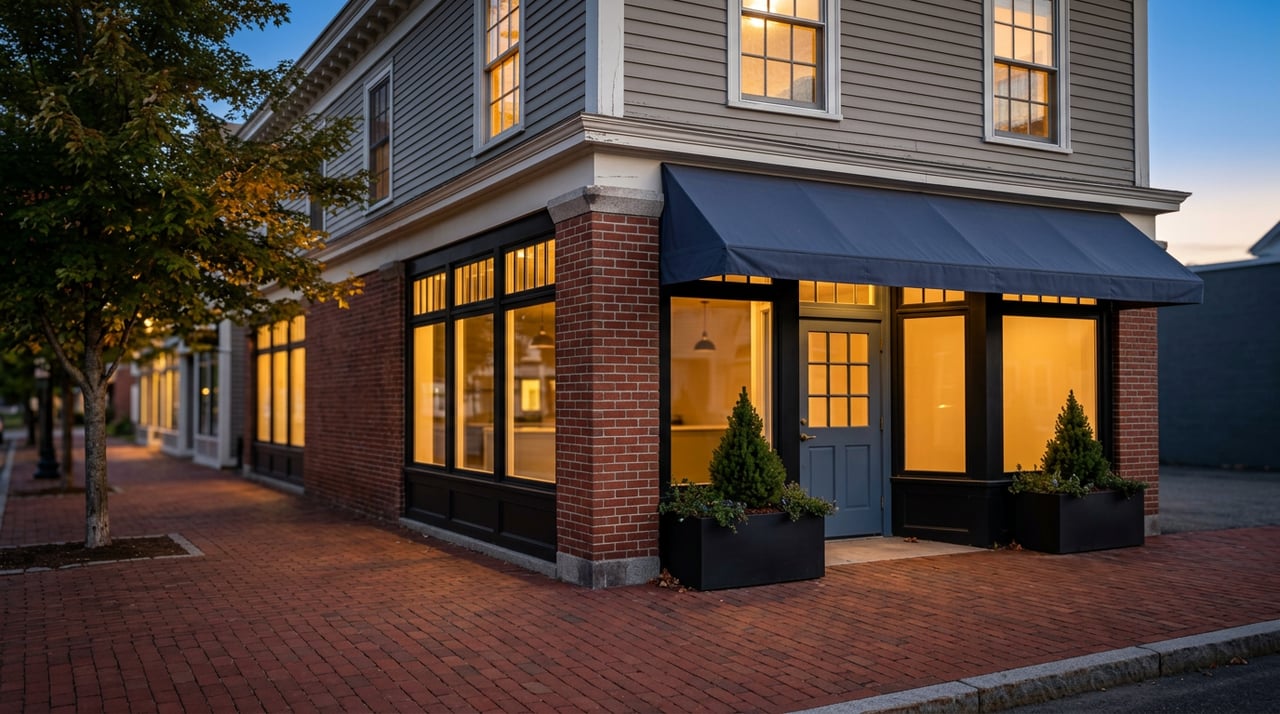
Downtown adds another layer to the experience. Downtown Bangor Partnership describes the district as a historic brick-and-granite area with more than 40 independent, locally owned bars, restaurants, and nightlife venues within walking distance.
The area also hosts recurring events like the Bangor Farmers’ Market on Sundays, monthly First Friday Art Walks, and seasonal festivals such as the Summer Sidewalk Art Festival. If you enjoy being close to dining, culture, and regular foot traffic, this part of Bangor can feel lively well beyond the workday.
Housing near downtown and the waterfront
If you are shopping in this area, expect an older and more varied housing mix than you may find in newer parts of Greater Bangor. Bangor’s housing study says most homes citywide are single-family, but there are also many duplexes, along with some mobile homes and smaller multi-unit buildings.
The same study notes that 83% of Bangor homes were built before 1990. It also says most homes have two to three bedrooms, while smaller 0- and 1-bedroom homes make up only about a quarter of the city’s housing stock.
That matters if you want a compact home close to downtown. The study specifically says smaller homes near downtown are in high demand among young workers and seniors, which can make these properties especially appealing for buyers who want convenience and less maintenance.
Bangor housing snapshot
Bangor has 31,753 residents and 16,042 housing units, according to Census QuickFacts. The same source reports a 47.2% owner-occupied housing rate, a median owner-occupied home value of $219,600, a median gross rent of $1,055, and a mean travel time to work of 16.6 minutes.
Those citywide numbers help frame what you may find near the waterfront and downtown, even though individual streets and property types can vary. They also suggest why buyers often see this area as a practical option for staying close to work, services, and everyday amenities.
Getting around from downtown Bangor
One of the strongest advantages of living near downtown is access to transportation. The Community Connector serves Bangor, Brewer, Veazie, Orono, Old Town, Hampden, and the University of Maine, with routes within walking distance of 75% of the population of those six communities.
Service runs Monday through Saturday from 6:15 a.m. to 6:15 p.m., with no Sunday service. The Bangor Area Transit Center is located at 25 Water Street, which can make downtown living especially practical if you commute within Bangor or travel between nearby Greater Bangor communities.
For buyers who prefer to walk or combine car use with transit, this location can offer flexibility. It is a useful lifestyle benefit to weigh if you want to reduce drive time or stay close to core services.
Parking matters more than you think
If you rely on a car, parking should be part of your home search from the start. The city says the downtown parking management district covers all of downtown and includes 12 managed parking lots, along with on-street parking that is time-limited from 15 minutes to four hours.
Bangor also updated its winter parking policy in 2025 to allow overnight on-street parking under the normal even and odd side-of-street rule unless a parking ban is declared. Even so, parking rules can vary by block and building, so it is smart to confirm the exact setup before you commit to a property.
Green space close to the city core
Living near downtown does not mean giving up access to outdoor space. Bangor’s trail system includes the Kenduskeag Stream Parkway, which runs through downtown to the waterfront and is well suited for walking and dog-walking.
If you want more room to explore, the Rolland F. Perry City Forest offers more than 680 acres and over 9 miles of trails and boardwalks for hiking, biking, snowshoeing, and cross-country skiing. Nearby green spaces such as Broad Street Park and Davenport Park can also offer a quieter break from busier downtown blocks.
For many buyers, this balance is part of the appeal. You can stay close to restaurants, events, and services while still having outdoor options nearby.
Flood zones deserve careful review
If you are looking near the river or lower-lying stream corridors, flood exposure is an important part of your due diligence. Bangor’s Comprehensive Plan says the city’s FEMA-mapped flood zones are primarily associated with the Penobscot River and Kenduskeag Stream, and that most flood hazard areas are 100-year flood plains mapped as Zones A and AE.
In practical terms, that means one street can feel very different from another when it comes to flood risk. Before you buy, it is wise to review the property’s location, elevation, and insurance implications carefully.
Lifestyle tradeoffs to weigh
The biggest reason people choose this area is also the biggest thing to think through. Downtown and the waterfront are attractive because they are walkable, active, and full of events, but that same energy can mean more visitors, more seasonal activity, and tighter parking.
Some buyers love being near the amphitheater, river walk, and downtown events. Others prefer to look a few blocks away for a quieter evening setting while still staying close to the action.
A helpful way to narrow your search is to think about your daily habits. Ask yourself whether you want to be right in the middle of activity or close enough to enjoy it without hearing and seeing as much of it from home.
What to look for during your search
When you tour homes near Bangor’s waterfront and downtown, keep an eye on both lifestyle fit and property details.
Consider these questions as you compare options:
- How close do you want to be to restaurants, events, and the river walk?
- Does the property offer off-street parking or easy access to managed lots?
- Is the home in or near a mapped flood zone?
- Does the housing style fit your needs for space, upkeep, and storage?
- Would you prefer an event-adjacent block or a quieter street nearby?
- If you use transit, how convenient is the walk to the Bangor Area Transit Center or nearby routes?
A thoughtful home search in this part of Bangor is often about matching the right block to your routine. The area can offer a lot, but the best fit usually comes down to details that are easy to miss without local guidance.
If you are exploring homes near Bangor’s waterfront or downtown, working with a local team can help you weigh the lifestyle, location, and property-specific factors that matter most. Aimi Baldwin Real Estate offers the high-touch guidance and local insight to help you make a confident move.
FAQs
What is it like living near Bangor’s waterfront and downtown?
- Living near Bangor’s waterfront and downtown can mean walkable access to restaurants, events, the river walk, transit, and public spaces, along with more activity, visitors, and parking demand than quieter residential areas.
What kinds of homes are common near downtown Bangor?
- Buyers near downtown Bangor are likely to see an older and more varied housing mix, including single-family homes, duplexes, and smaller multi-unit properties, with many homes built before 1990.
Is downtown Bangor convenient for commuting?
- Downtown Bangor can be convenient for commuting because the Community Connector serves Bangor and nearby communities, and the Bangor Area Transit Center is located on Water Street.
Do buyers near Bangor’s waterfront need to think about flood zones?
- Yes, buyers near the Penobscot River and Kenduskeag Stream should review flood maps, elevation, and insurance considerations carefully because Bangor’s mapped flood hazard areas are primarily associated with those corridors.
Is parking difficult near downtown Bangor?
- Parking can be manageable, but it is important to understand property-specific details because downtown includes managed lots and time-limited on-street parking, and winter parking rules can also affect how you use the area.
Are there outdoor spaces near downtown Bangor?
- Yes, downtown and waterfront residents have access to the Kenduskeag Stream Parkway, nearby parks such as Broad Street Park and Davenport Park, and the larger Rolland F. Perry City Forest trail network.