If you picture one tidy town center when you think about Gouldsboro, you may be surprised by what you find. This coastal community is shaped by a string of villages, each with its own rhythm, shoreline setting, and housing feel. If you are thinking about buying, selling, or simply getting to know the area better, understanding those village patterns can help you see why Gouldsboro feels so distinct. Let’s dive in.
Gouldsboro Feels Like Many Places
Gouldsboro is a small coastal town in Hancock County on the Schoodic Peninsula, with 1,703 residents counted in 2020. Town materials describe it with a simple phrase that fits well: “Many Villages. One Community.” That is not just branding. It is a practical way to understand daily life here.
Current town planning materials identify eight village areas: Gouldsboro, West Gouldsboro, Ashville, South Gouldsboro, Prospect Harbor, Corea, Birch Harbor, and Bunkers Harbor. Historically, these places developed as separate fishing villages, summer colonies, and small local centers. That older pattern still shapes how the town looks and feels today.
Everyday Life Centers on the Coast
In Gouldsboro, the shoreline is more than scenery. Town and community materials describe predawn trips to the wharves, busy mornings around lobster landings, and low-tide activity from clammers, wormers, and seaweed harvesters. The coast is part of the workday as much as it is part of the view.
That working-waterfront identity gives the town a grounded, year-round character. Summer brings a seasonal population increase that can often double the number of people in town, but tourism supplements sea-based work rather than replacing it. You get a place that feels lived-in and functional, not just seasonal.
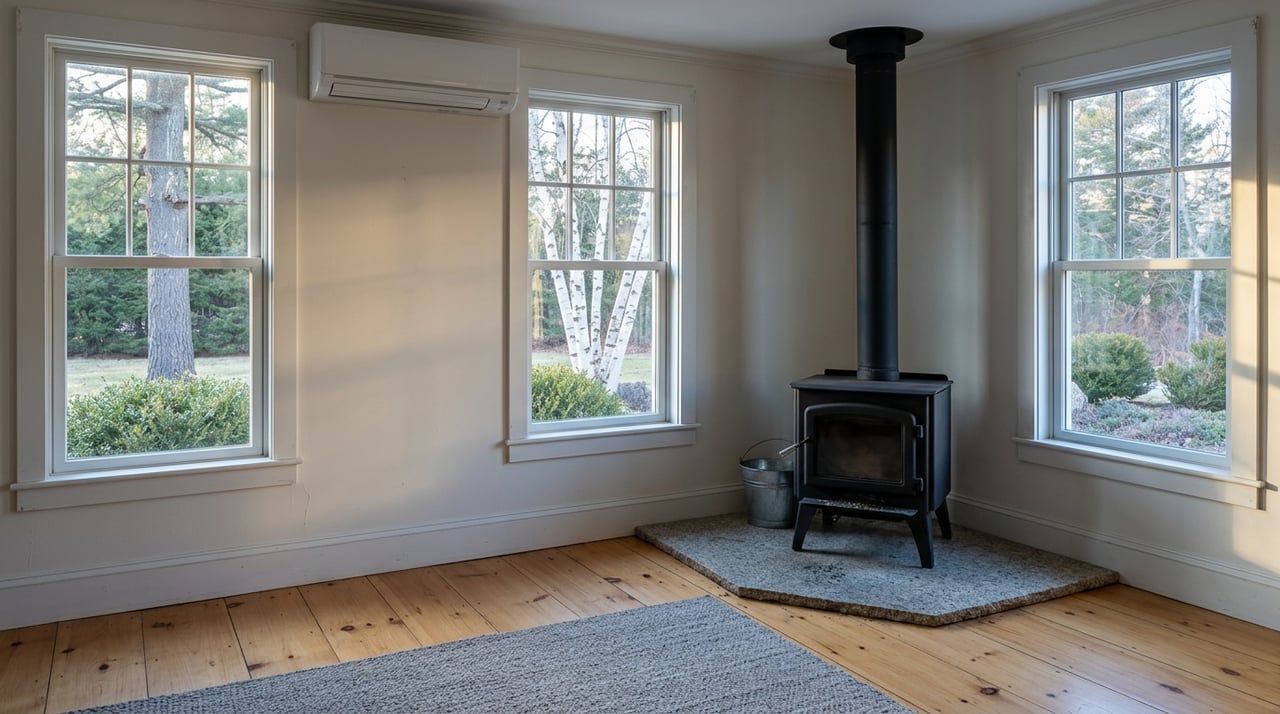
Daily routines also reflect practical coastal living. Many homes rely on drilled bedrock wells because Gouldsboro has no public water system. Septic systems, propane or fuel oil heat, wood stoves, and occasional rural internet challenges are all part of the real picture of homeownership here.
Prospect Harbor Is the Practical Hub
If one village feels like Gouldsboro’s everyday center, it is Prospect Harbor. The Town Office is here at 59 Main Street, and Dorcas Library is also here at 28 Main Street. Peninsula School serves Gouldsboro, Winter Harbor, Birch Harbor, Prospect Harbor, and Corea, which adds to the village’s role as a daily destination.
The recreation and community-center complex is another key part of village life, and the town also uses the community center as a voting site. At the same time, Prospect Harbor remains tied to the water through its public pier, lobster-buying station, and bait shed. That blend of civic life and harbor activity gives the village a practical, working feel.
From a housing perspective, Prospect Harbor may appeal to buyers who want to be close to town services while still feeling part of the coast. It offers a strong example of how Gouldsboro balances everyday function with waterfront identity.
Corea Shows the Working Harbor Story
Corea is often the village people picture when they imagine classic coastal Gouldsboro. Community sources describe it as Gouldsboro’s largest and most productive working harbor, and outside observers have called it a tiny fishing village that can be easy to miss. That combination of scale and authenticity is part of its appeal.
Life in Corea is closely connected to harbor use and shoreline conditions. Recent local updates around road and causeway resilience show how directly village life is tied to the coast. In practical terms, this is a place where tides, storms, access, and marine activity are not background details. They are part of everyday decision-making.
For buyers and sellers, Corea stands out for its strong harbor identity and traditional coastal setting. It feels connected to the long history of Downeast working-waterfront life.
Birch Harbor and South Gouldsboro Feel Park-Adjacent
Birch Harbor and South Gouldsboro sit closer to the Schoodic-byway and park-edge experience that many buyers love about this part of Hancock County. Birch Harbor is described as a fishing village on the southern part of Gouldsboro, and it sits just beyond the Schoodic park road area and Route 186 intersection. That gives it a coastal setting with easy visual and geographic ties to the peninsula’s scenic draw.
South Gouldsboro is described as a small fishing village on the western side of the peninsula along the Schoodic Scenic Byway. The result is a setting that often feels quiet, road-trip worthy, and closely linked to the broader Schoodic landscape. If you are drawn to the mainland side of Acadia’s quieter environment, these villages help tell that story.
Because Acadia National Park’s Schoodic Peninsula is the only mainland part of the park, the surrounding area carries a more secluded identity than Mount Desert Island. For some buyers, that sense of separation is a major part of Gouldsboro’s appeal.
West Gouldsboro Reflects Older Settlement
West Gouldsboro helps explain the town’s deeper residential history. Local history materials say the town was first settled in the area now called West Gouldsboro, and the village still includes landmarks such as the West Gouldsboro Union Church and the West Gouldsboro Village Library. That older village fabric gives it a different feel from the more harbor-centered areas.
This part of town can be useful to think about if you are looking for Gouldsboro’s more established residential side. It still belongs to the same broader coastal community, but its identity is tied more closely to the town’s earliest settlement pattern.
Smaller Harbor Areas Still Matter
Bunkers Harbor and other smaller shoreline areas help complete the picture. They reinforce that Gouldsboro is not one compact village with a few outlying roads. It is a network of distinct harbor places with their own local role.
Current harbor planning work includes Prospect Harbor, Bunkers Harbor, and South Gouldsboro, which shows that these smaller places remain important to the town’s waterfront identity. For buyers, that can mean a wider range of settings, from more service-oriented locations to quieter harbor edges.
Home Styles Follow Maine Coastal Patterns
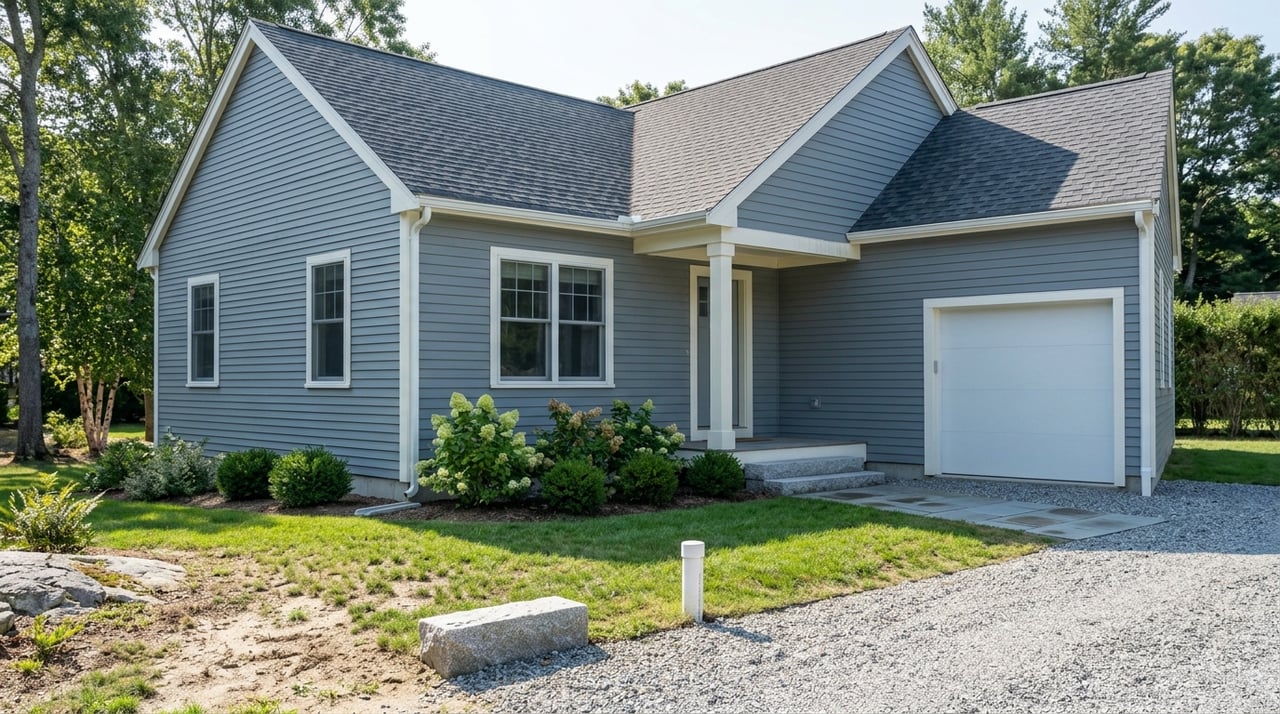
When you look at homes in Gouldsboro, the broad housing pattern matters more than one single architectural label. Town housing materials say Gouldsboro continues to be primarily owner-occupied, detached single-family homes. That gives the market a familiar, low-density coastal Maine character.
Seasonal housing is also a major part of the local mix. A regional housing assessment found 518 seasonal units in Gouldsboro in 2022, and town draft housing materials show total housing units rising from 1,329 in 2000 to 1,426 in 2020 while occupied units stayed essentially flat. That supports what many people notice on the ground: a strong second-home and seasonal presence.
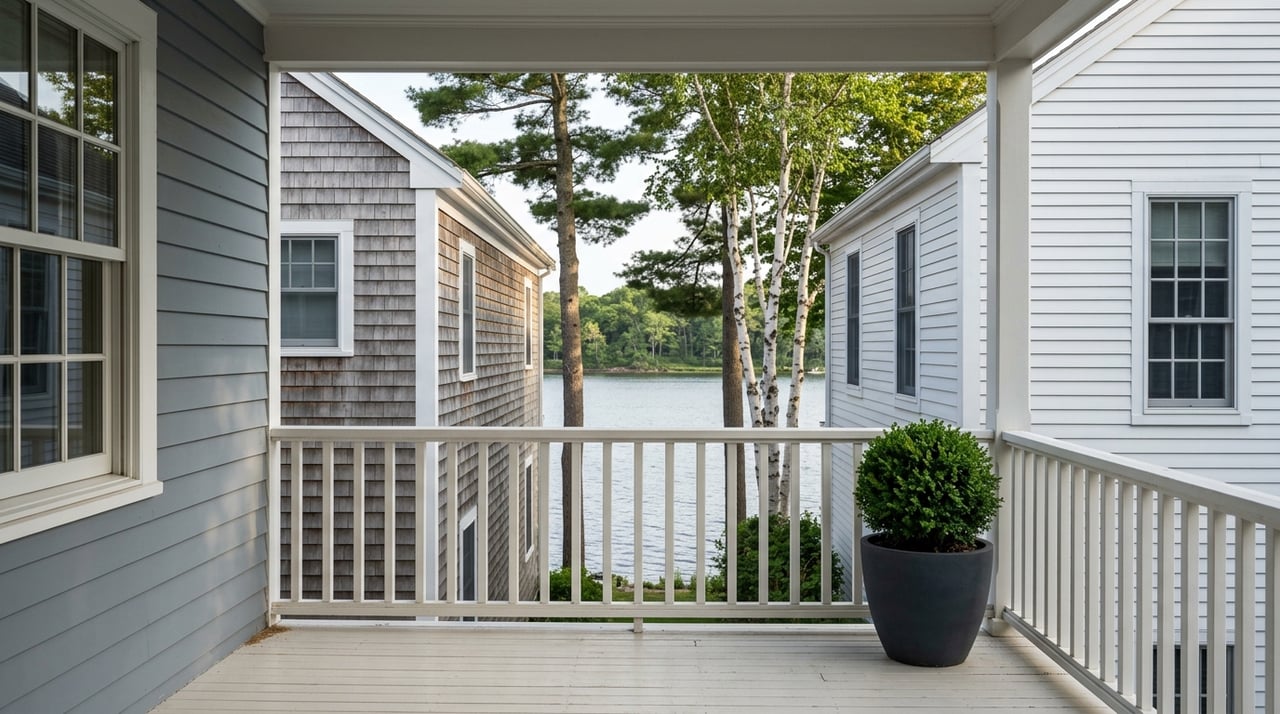
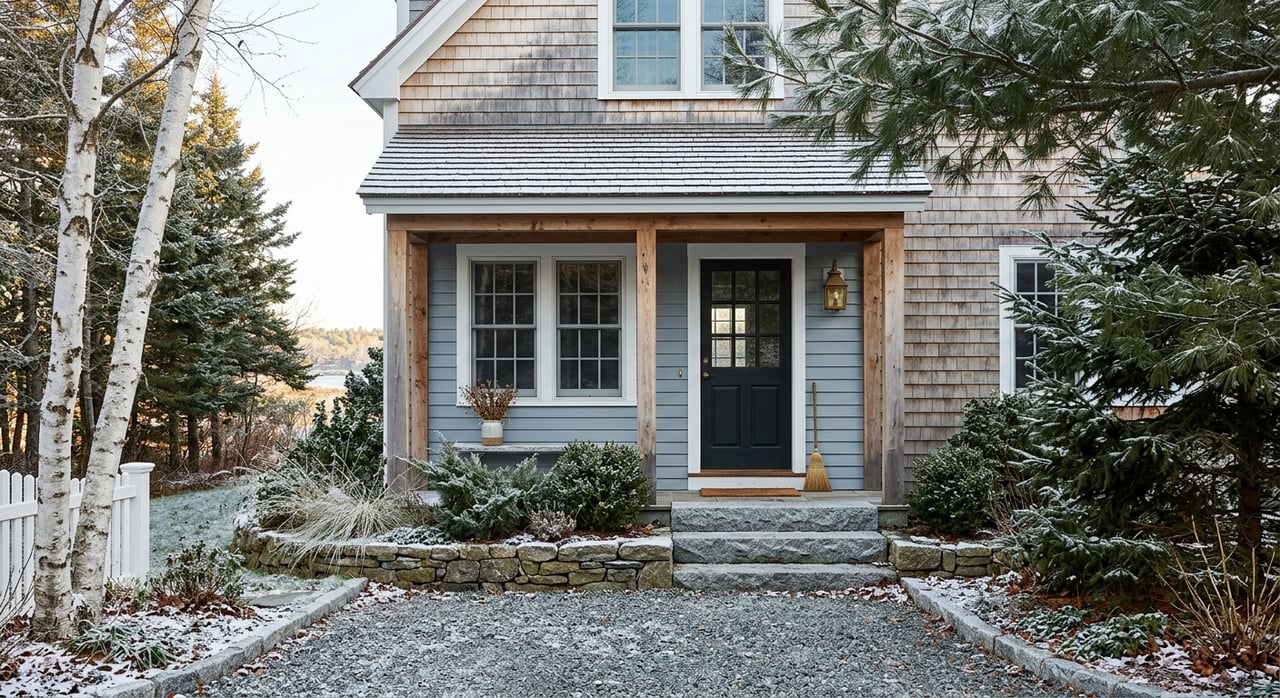
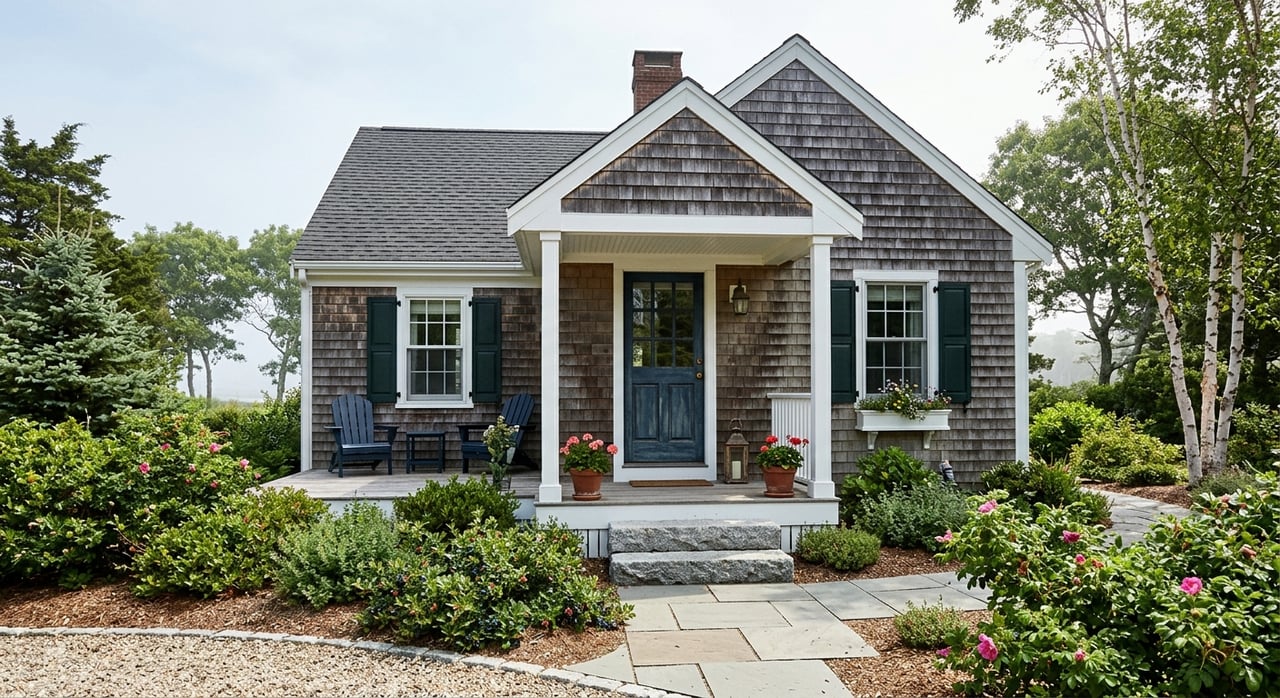
While Gouldsboro does not have a formal town-wide architectural survey in the research provided, Maine coastal building patterns offer a helpful vocabulary. In that context, you may see a mix of classic cottages, Cape-style houses, saltbox-influenced forms, and updated year-round residences. Some homes may also reflect the look of older summer cottages or camps that fit the Downeast shoreline setting.
Coastal Homes Come With Practical Needs
The charm of coastal property in Gouldsboro comes with real upkeep considerations. Community materials warn that shoreline property is eroding with storm activity, and they remind residents that what goes onto the land can eventually reach the ocean. That makes site care and maintenance especially important.
You will also want to think about everyday systems, not just views. Wells, septic systems, heating fuel, moisture management, and possible power or internet interruptions all shape the ownership experience. In Gouldsboro, a coastal retreat often asks for a little more self-sufficiency.
For sellers, those realities are not negatives when handled clearly. They are part of accurate, confident marketing. Buyers looking in this area often appreciate straightforward information about how a property functions through all four seasons.
Why Gouldsboro Appeals to Buyers
Gouldsboro stands out because it offers a quieter version of coastal Maine life without losing its working-town roots. Prospect Harbor gives you practical community infrastructure. Corea offers one of the strongest working-harbor identities in town. Birch Harbor and South Gouldsboro connect you to the Schoodic edge, while West Gouldsboro reflects older village character.
Together, those places create options for different goals and lifestyles. You may be looking for a year-round home, a seasonal retreat, or a property that feels closely tied to the water and village history. Gouldsboro’s appeal comes from that layered mix, not from one uniform neighborhood feel.
If you are exploring the market here, it helps to view Gouldsboro village by village. That is often the clearest way to match a property with the kind of daily life you want.
If you are considering a move, a second home, or a future sale in Downeast Maine, Aimi Baldwin Real Estate can help you navigate Gouldsboro’s village-by-village market with the clear communication and personalized guidance this unique coastal area deserves.
FAQs
What is everyday life like in Gouldsboro, Maine?
- Everyday life in Gouldsboro is closely tied to the working waterfront, with harbor activity, shellfish harvesting, seasonal population swings, and practical year-round living systems like wells, septic, and fuel-based heating.
Which Gouldsboro village is the town hub?
- Prospect Harbor functions as the practical hub because it includes the Town Office, Dorcas Library, Peninsula School, the recreation center, community center, and active waterfront facilities.
What is Corea known for in Gouldsboro?
- Corea is known for its strong fishing-village identity and for being Gouldsboro’s largest and most productive working harbor.
What kinds of homes are common in Gouldsboro?
- Gouldsboro is primarily made up of owner-occupied, detached single-family homes, with a notable number of seasonal properties and a broad mix of cottages, Cape-style homes, and updated year-round residences.
Are there seasonal homes in Gouldsboro, Maine?
- Yes. Research cited for Gouldsboro found 518 seasonal housing units in 2022, which reflects the town’s strong second-home and seasonal market presence.
What should buyers know about owning a home in Gouldsboro?
- Buyers should understand that many properties rely on private wells, septic systems, propane or fuel oil heat, and ongoing coastal maintenance tied to weather, moisture, and shoreline conditions.