Is the heating system in a home you love going to fit your life and budget through a Bangor winter? It is a smart question in Brewer and nearby towns where long, frigid seasons make heat one of your biggest ongoing costs. You want comfort, reliability, and manageable bills without surprises after closing. In this guide, you will learn how heat pumps and oil heat compare in our local climate, what to check during showings and inspections, and how these choices can affect resale. Let’s dive in.
Bangor-area winter reality
Winters here are long and often bitter, with extended stretches below freezing and frequent single-digit or below-zero days. That means the heating system is not just a line item. It is a major driver of your total cost of ownership. Many existing homes use oil-fired furnaces or boilers with on-site tanks, while recent builds and retrofits often feature air-source heat pumps or hybrid systems. Because electricity and heating oil prices change, plan to compare current local rates when you run the numbers.
Oil heat in Bangor homes
How oil systems work
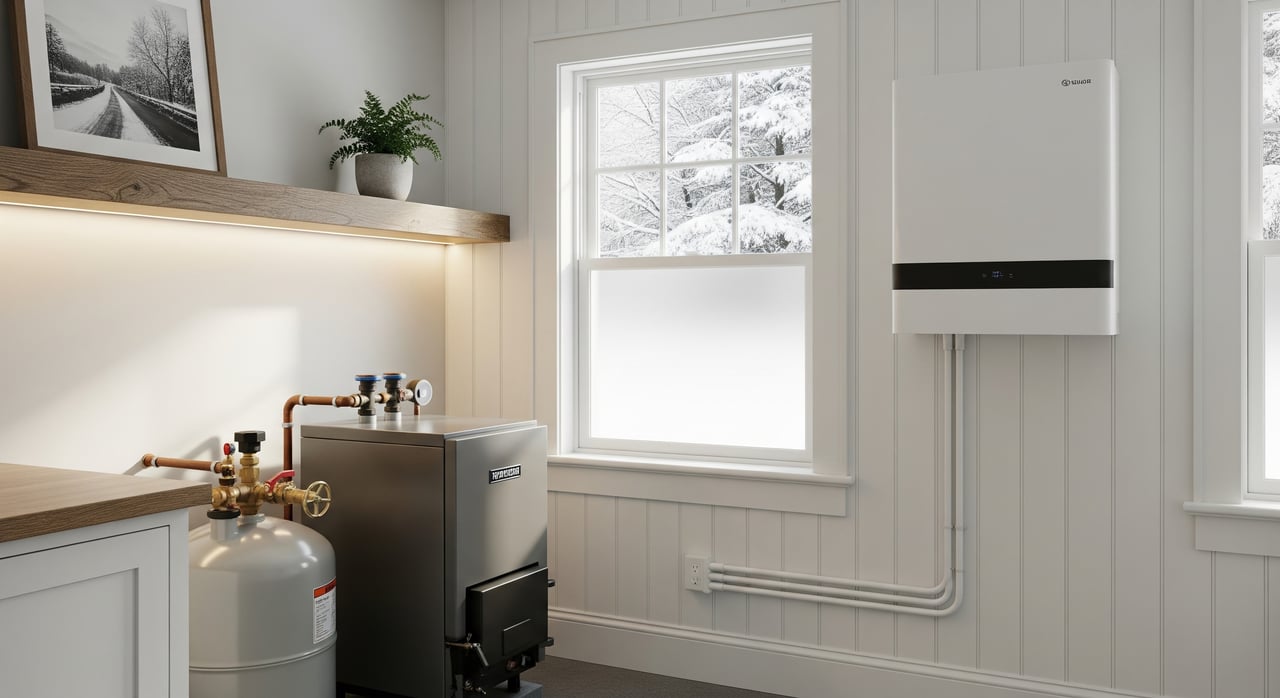
Most homes with oil here use either a furnace that heats air and pushes it through ducts or a boiler that heats water for baseboards or radiators. You will also see an aboveground or buried oil tank, venting through a chimney or dedicated exhaust. Newer equipment can be efficient, while many older systems are still in service.
Pros and considerations
Oil systems offer steady, high-temperature heat that is less sensitive to outdoor temperatures. Local trades know them well. On-site storage gives you control over deliveries. On the flip side, you will have fuel logistics, annual tune-ups, and eventual tank replacement or removal to plan for. If there is a buried tank, documentation and condition matter during a sale.
Heat pumps that work here
Ductless vs. ducted options
Modern air-source heat pumps move heat rather than creating it with combustion. They come in two common formats for our market:
- Ductless mini-splits or multi-splits: wall-mounted indoor units that serve one or more zones without ductwork. Popular for retrofits and additions.
- Ducted systems: connect to a home’s central ductwork and can replace an oil furnace for whole-home distribution.
Ground-source systems exist, but they are less common due to higher upfront costs. Many homes also use hybrid setups that pair a heat pump with oil or another backup source.
Cold-climate performance
Cold-climate models are designed to perform at subfreezing temperatures and can be a primary heat source in central Maine when properly sized and installed. Seasonal efficiency is measured by ratings such as COP and HSPF. Proper sizing, insulation, and a backup plan for the coldest snaps are key for smooth performance.
Cost comparison that actually helps
What drives your bill
Your operating cost depends on:
- Local electricity price per kWh and heating oil price per gallon
- System efficiency: AFUE for oil; COP/HSPF for heat pumps
- The home’s insulation and air sealing
- Your thermostat settings and usage patterns
Because fuel and electricity prices vary, use current local data when comparing. Seasonal performance also shifts with weather. Heat pumps often shine in mild and shoulder seasons, while the balance can change in prolonged extreme cold.
How to run a quick comparison
A simple method is to estimate your home’s seasonal heat demand, then apply efficiency and local fuel prices. In practice, you can use recent utility and fuel quotes and ask an HVAC pro to estimate the home’s annual load. The bottom line: in many recent seasons, heat pumps have delivered lower cost per unit of heat in our region, but swings in fuel or electric rates can change that. Always test both typical conditions and a worst-case cold-snap scenario.
When each option can lead
- Heat pumps often lead when electricity costs are moderate and the system maintains a good seasonal COP, especially in well-insulated homes.
- Oil may be less expensive during prolonged extreme cold if electric rates are high or the heat pump is undersized for peak demand.
A hybrid approach can hedge both ways, letting the heat pump carry most of the season while oil covers rare extremes or outages.
Comfort and usability
Temperature and distribution
Oil systems deliver high-temperature supply air or hot water to radiators and baseboards, which can feel very steady. Heat pumps provide even, continuous heat at lower supply temperatures. Many homeowners find the comfort comparable once they get used to the gentler output and steady operation.
Zoning and summer cooling
Ductless heat pumps add zoning that lets you focus heat where you are, which can help efficiency and comfort in additions or rooms over garages. Heat pumps also offer air conditioning in summer. A ducted cold-climate system can match the convenience of a central furnace for whole-home comfort.
Upfront costs and project scope
Replace oil equipment
If a home already has ducts or hydronic piping, replacing an aging oil furnace or boiler can be straightforward. Costs vary by model, venting work, and whether the tank needs replacement. Sellers sometimes prioritize replacement to keep a familiar system in place.
Add or convert to heat pumps
Ductless units for a few zones are often a cost-effective first step. A full multi-zone or cold-climate ducted system costs more and may require electrical upgrades. If the home has no ductwork, adding ducts increases scope. Get at least two local quotes to understand true costs for the specific house.
Hybrid setups
Hybrid or dual-fuel systems are common here. The heat pump handles most of the season, while oil or another backup kicks in during extreme cold or outages. For many buyers, this arrangement balances comfort, resilience, and cost.
Maintenance, service, and lifespan
Oil systems generally need annual tune-ups and venting checks. Tanks should be inspected and eventually replaced if compromised. Heat pumps need filter cleaning, clearances around the outdoor unit, and periodic professional maintenance. Typical lifespans for both systems fall in the 15 to 20-plus year range with proper care. Central Maine has a deep bench of oil technicians and a growing number of heat pump installers. Lead times and service capacity vary, so check references.
Reliability and outages
Most oil furnaces and boilers still require electricity to run pumps and fans. Heat pumps require grid power. If outages are common at a location, plan for a backup strategy. A hybrid system, a safe auxiliary heat source, or a battery or generator can help keep critical rooms warm until power returns.
Emissions and incentives in Maine
Oil combustion produces on-site emissions. Heat pumps avoid on-site combustion and can reduce overall emissions, especially as the electric grid gets cleaner. Incentive programs matter to your budget. Federal tax credits and state rebates are available for qualifying heat pump installations and can change over time. Check current programs before you finalize your plan.
Resale factors in the Bangor market
Many buyers view modern heat pumps as a plus for efficiency, potential operating savings, and the benefit of summer cooling. Older oil systems and especially unknown buried tanks can become negotiation points, prompting requests for inspections, removal, or credits. A well-maintained oil system with clear records can also reassure buyers who value proven cold-weather performance. The best resale strategy is clear documentation, recent service records, and a plan for any tank issues.
Buyer checklist for showings and inspections
- Oil system details: furnace or boiler age, model, AFUE if known, and last service date.
- Oil tank status: location (indoor, outdoor, buried), test history, relining or replacement records, and any spill or remediation documents.
- Heat pumps: number of units, manufacturer and model, installation year, and service records. Ask if they are cold-climate rated.
- Ductwork: condition and presence of ducts if considering a ducted heat pump. If no ducts, assess feasibility and cost of ductless vs. new ducts.
- Electrical service: panel capacity and age. Will it support a whole-home heat pump without upgrades?
- Insulation and air sealing: attic, walls, and basement or crawlspace; window condition. These factors drive system sizing and bills.
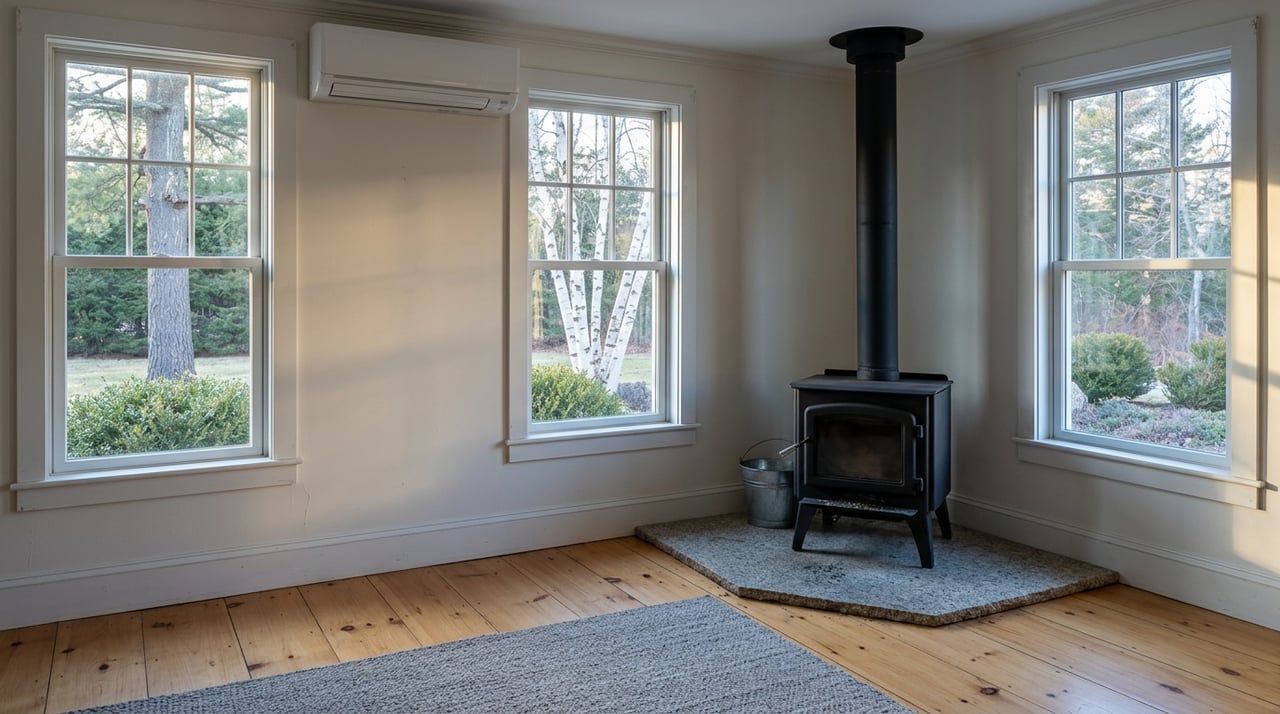
- Backup heat: identify any secondary sources, such as oil, electric resistance, or a wood stove, and which rooms they serve.
- Installer availability: request quotes and references from local contractors for systems in similar-sized homes.
Red flags and negotiation tips
- Buried oil tank with unknown condition and no documentation. Consider testing, removal, or escrow for possible remediation.
- Aging panel or low electrical capacity that could complicate a heat pump conversion.
- Poor insulation or single-pane windows in a home marketed as heat-pump ready.
- No recent maintenance records for either system type.
Buyers often request a tank inspection report, price adjustments for upgrades, or a seller credit toward heat pump installation. Ask for written quotes so you can align negotiations with real numbers.
Choosing your path
There is no one-size-fits-all answer in Brewer. In many cases, a modern cold-climate heat pump can cover most or all of your heating needs at a favorable seasonal cost, especially in a well-insulated home. Oil remains a reliable, familiar option, and for some buyers a hybrid setup offers the best balance of cost, comfort, and resilience. As you compare homes, pair system facts with current local fuel and electricity prices and your comfort preferences.
If you would like local guidance on what to look for in a specific property, our team is here to help you make a confident, informed decision with a smooth transaction from Start to Sold. Reach out to Aimi Baldwin Real Estate to discuss options, request vetted contractor referrals, or map out an offer strategy.
FAQs
Can a heat pump fully replace oil heat in Brewer?
- Often yes with a modern cold-climate system, proper sizing, and reasonable insulation, though many owners keep backup heat for extreme cold or outages.
Which is cheaper to run: heat pump or oil?
- It depends on current local electricity and oil prices, equipment efficiency, and the home’s heat load; heat pumps often win seasonally, but price swings can shift the balance.
How much does an oil-to-heat-pump conversion cost?
- A single ductless unit can be a few thousand dollars, while multi-zone or whole-home systems may run into the mid-to-high five figures depending on scope and electrical upgrades.
Is a buried oil tank a deal-breaker for buyers?
- Not always, but it is a major risk item; many buyers request testing, removal, remediation planning, or price concessions.
Are there incentives for heat pumps in Maine?
- Yes, federal tax credits and state rebates are available for qualifying installs, and programs change over time, so verify current details before budgeting.